The Reigning Matriarch
6th Paramount Queen Mother (Nanahemaa) of the Suaman Traditional Area, enstooled on 9th February 2016. Head of the royal family and custodian of the matrilineal Oyoko tradition of Suaman Dadieso.
Her Majesty’s direct genealogyOyoko Clan · Our Royal Ancestors
The Suaman Dadieso royal stool belongs to the Oyoko Clan. It originated from Kenyase / Kokofu in the Ashanti Region — a sister to Manhyia and an uncle to Kokofu. Our first leaders were Nana Yentumi, the first Chief of Suaman Dadieso (whose real name was Nana Kwaku Achampong), and his brother Nana Yentekyie. The mother of Nana Yentumi was Atrah — remembered in tradition as a grandmother who descended from the sky without parents.
Oyoko Royal Clan · Interactive Genealogy
A living, searchable map of the Suaman Dadieso royal house, from the first mother Nana Atrah to the reigning Queen and her descendants. The crowned cards (♛) mark those who have held the stool — Omanhene (King) or Nana Hemaa (Queen). Click any card to open its full profile.
Scroll sideways · click a card for the full profile →
assets/js/family-tree.js). To add a member, correct a date, or attach a portrait, add or edit one entry there — the tree, search, filters, and profile pages update automatically. The gilded medallions are placeholders ready for real portraits.
The Long Journey
The path of the Oyoko royal house — from tradition and the Ashanti heartland to the founding of Suaman Dadieso.
A Distinct History
The Adiyaakrom people were settlers who arrived under the authority of the Nana Yentumi Royal Family — a settlement community, distinct from the Oyoko royal bloodline.
The settlers came under two leaders: Nana Ameah Pele and Nana Adiyaa.
Expelled from their original settlement connected to Biemso in the Asante Region, they crossed the River Bia carrying the sacred Gyantia — the emblem of their spiritual authority.
They approached the Suaman Dadieso Royal Family — descendants of Nana Yentumi — and requested settlement. The Royal Family granted them permission to settle.
The settlement became known as Adiyaakrom, named after Nana Adiyaa.
Every Recorded Name
This tree follows the Oyoko royal line across the generations. Tap each branch to open it. Where the record says a name is unknown, it is shown honestly rather than filled in.
The stool originated from Kenyase / Kokofu, Ashanti Region — sister to Manhyia, uncle to Kokofu.
Migration: settled at Nimokowie (1721–1722), then Asantekrom (Nzanderekro) for some fifty years, then to Nana Asamira Nkatieso — travelling with the Nana Obiri Kwame Adegakrom family. The Adiyaakrom people (leaders Nana Ameah Pele and Nana Adiyaa), from Denkyira Diaso, crossed the River Bia and settled, their town later named Adiyaakrom.
Nana Adow Konamah I, Queen Mother, had 16 children. Those recorded include:
Related lines recorded: through Afua Dukor — Nana Kwame Amonbeng (passed on); through Achie Akassi — Nana Akaah (passed on), Nana Boadie, Kwasi Boadi Atta.
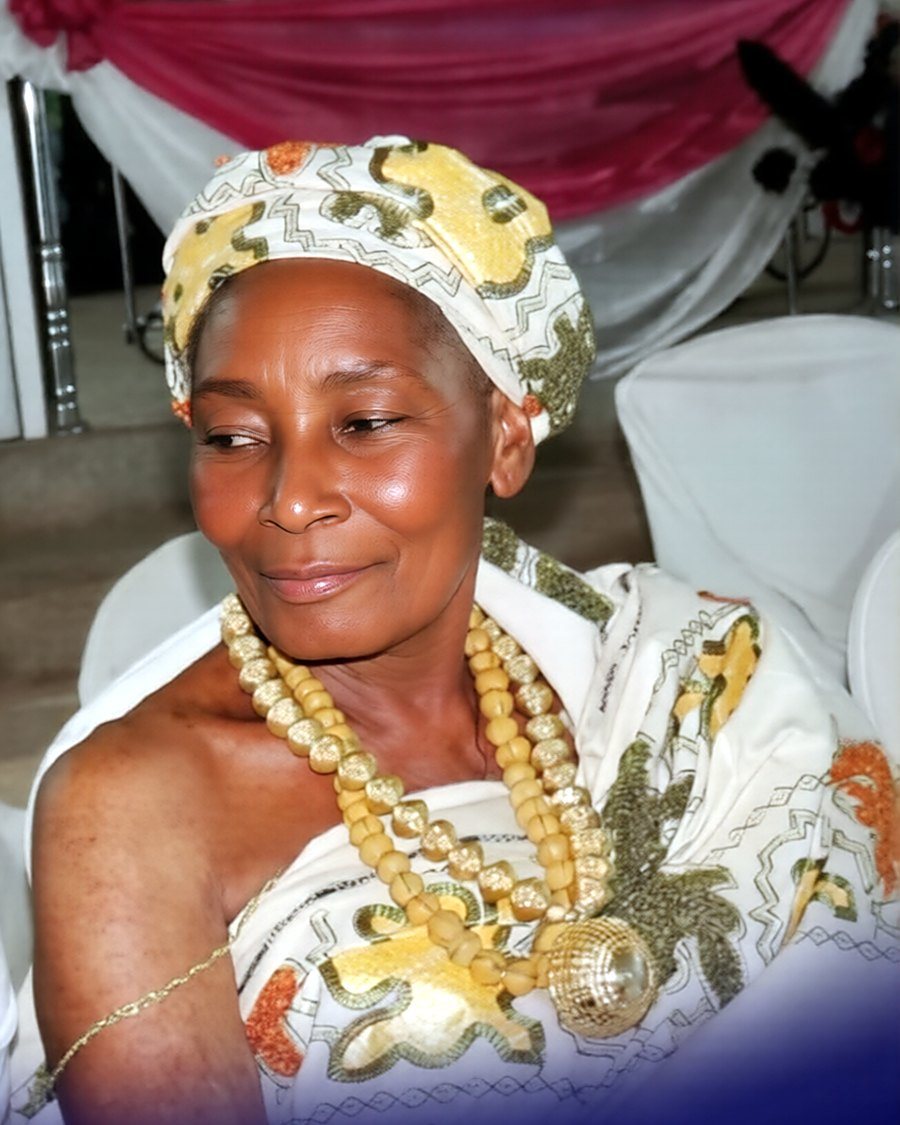
The reigning Queen married three times: firstly DC Binney; secondly Mr. Kwasi Kyere (business entrepreneur); and thirdly WO1 Anthony Damoah (Rtd).